Many people think long-term health is largely genetic.
Genetics matter — but daily design matters more.
The way we structure our days influences:
• Energy levels
• Mobility
• Cardiovascular strength
• Hormonal balance
• Emotional resilience
• Recovery capacity
Lifestyle design is not a motivational concept.
It is a biological one.
Small Daily Patterns Compound
Health outcomes are rarely determined by dramatic moments.
They are shaped by repetition.
Consider:
• Walking daily versus sitting long-term
• Consistent sleep times versus irregular rest
• Balanced meals versus reactive eating
• Emotional regulation versus chronic stress
Over months and years, these patterns compound.
Midlife is when we feel those compounding effects most clearly.
The Nervous System as a Health Foundation
A regulated nervous system influences nearly every health metric.
Chronic stress contributes to:
• Elevated cortisol
• Blood pressure instability
• Poor digestion
• Reduced recovery
• Sleep fragmentation
Designing a lifestyle that supports calm — predictable structure, walking rituals, reflection time — lowers baseline stress.
Lower baseline stress improves long-term outcomes.
This is not abstract.
It is measurable.
Walking: The Foundational Pillar
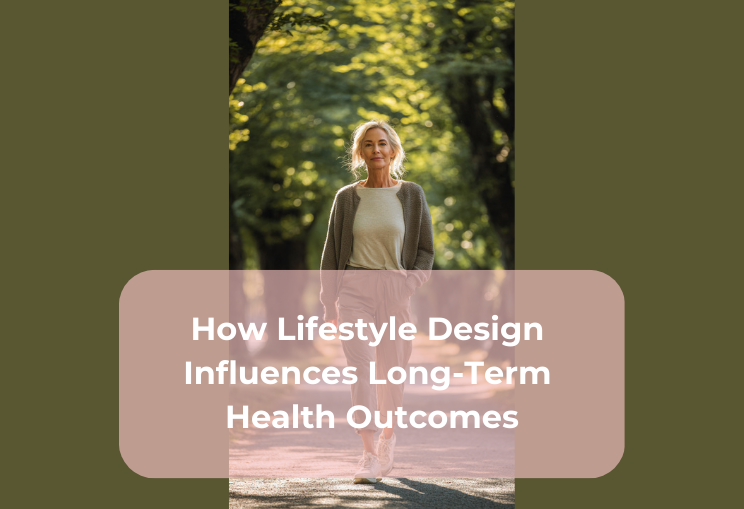
Walking remains one of the simplest and most powerful design decisions for long-term health.
Consistent walking supports:
• Cardiovascular function
• Joint mobility
• Postural stability
• Blood sugar regulation
• Mental clarity
In travel and at home, walking acts as a daily recalibration tool.
It strengthens both body and thought.
Strength and Stability Protect Independence
Long-term health is not only about avoiding illness.
It is about preserving independence.
Maintaining:
• Leg strength
• Core stability
• Balance
• Grip strength
Protects daily capability.
Capability reduces fear.
Reduced fear lowers stress load.
Stress load directly affects long-term health markers.
Lifestyle design protects autonomy.
Nutrition as Structural Support
Food choices influence energy consistency more than we often admit.
Stable meals — rich in whole ingredients, balanced protein, and adequate hydration — support:
• Steady blood sugar
• Stable mood
• Reduced inflammation
• Improved sleep quality
Travel can disrupt nutrition.
Intentional travel maintains it.
Health-conscious lifestyle design does not end when you leave home.
Sleep Is the Multiplier
Sleep quality influences:
• Hormonal regulation
• Memory consolidation
• Tissue repair
• Immune function
Designing evenings that include:
• Digital boundaries
• Calm wind-down routines
• Consistent timing
Improves sleep depth.
Improved sleep strengthens every other health variable.
Travel as a Health Audit
Travel offers a useful perspective.
When you step outside routine, you see clearly:
• Which habits serve you
• Which habits drain you
• Where energy leaks
• What recovery looks like
Travel can become a lifestyle audit.
The goal is not escape.
It is refinement.
Emotional Environment Matters
Relationships and environment influence long-term health outcomes as much as movement and nutrition.
Volatile environments increase stress hormones.
Stable environments reduce them.
Lifestyle design includes:
• Who you spend time with
• What media you consume
• How you structure your commitments
• Where you choose to place your attention
Health is holistic.
And it is cumulative.
Midlife Is Strategic
After 50, health becomes strategic rather than reactive.
We no longer rely on resilience alone.
We build it intentionally.
Long-term health outcomes are influenced less by dramatic interventions and more by:
• Consistency
• Predictability
• Energy awareness
• Recovery prioritization
Lifestyle design is preventative medicine in daily form.
Thoughtful Design Compounds
Daily structure shapes:
• Energy stability
• Mobility preservation
• Emotional resilience
• Cognitive clarity
• Independence longevity
Health is not built in one decision.
It is built in repeated design choices.
And in midlife, thoughtful design compounds.