As we move through midlife and beyond, lifestyle priorities often change.
What once felt important may gradually lose urgency.
What once seemed minor may become essential.
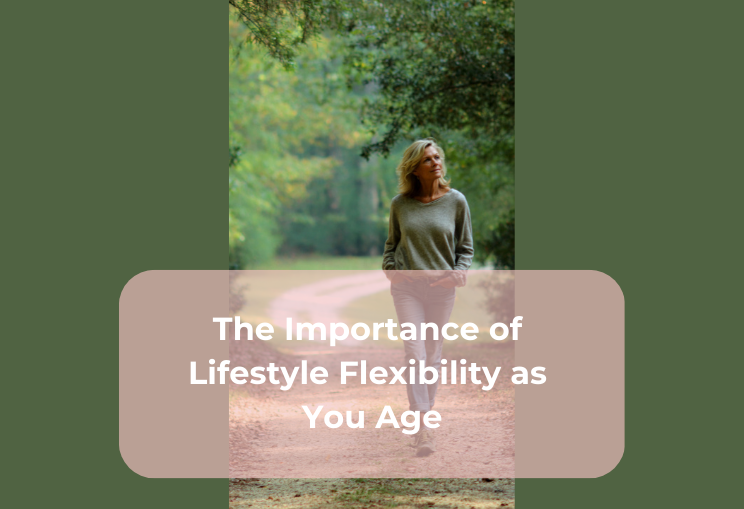
Lifestyle flexibility allows us to adapt to these shifts without unnecessary stress.
Rather than resisting change, flexibility allows us to adjust calmly.
This ability becomes one of the most valuable strengths we develop with age.
Rigid Systems Can Create Pressure
Structure is valuable.
But when structure becomes rigid, it can create pressure.
Unexpected events are a natural part of life:
• health fluctuations
• travel changes
• family needs
• weather or logistical disruptions
Rigid lifestyles struggle to absorb these changes.
Flexible lifestyles adapt without losing stability.
Flexibility protects emotional balance.
The Difference Between Structure and Rigidity
A sustainable lifestyle includes structure.
Daily movement.
Predictable sleep patterns.
Intentional work periods.
Regular meals.
But flexibility allows these structures to adjust when necessary.
The goal is not perfect adherence.
The goal is long-term sustainability.
Structure provides direction.
Flexibility provides resilience.
Travel Teaches Adaptability
Travel naturally introduces unpredictability.
Schedules change.
Weather shifts.
Routes require adjustment.
These experiences can strengthen adaptability.
When approached calmly, travel becomes a training ground for flexible thinking.
Unexpected changes often lead to new discoveries.
Adaptability transforms inconvenience into opportunity.
Emotional Resilience Through Flexibility
Emotional resilience often depends on how well we respond to change.
Rigid expectations create frustration when circumstances shift.
Flexible thinking allows us to respond thoughtfully rather than reactively.
Flexibility encourages:
• patience
• perspective
• creativity in problem-solving
These qualities strengthen emotional wellbeing.
Physical Flexibility Matters Too
Lifestyle flexibility is not only psychological.
Physical adaptability supports independence as well.
Maintaining:
• joint mobility
• balance
• strength
• walking endurance
allows the body to adjust to new environments and situations.
Travel, walking routines, and consistent movement help maintain these capabilities.
Financial Flexibility Reduces Stress
Lifestyle flexibility also influences financial wellbeing.
When spending habits remain manageable and obligations stay reasonable, life becomes more adaptable.
Financial flexibility allows room for:
• unexpected expenses
• travel opportunities
• lifestyle adjustments
This freedom reduces stress.
It strengthens emotional stability.
Decision Making Improves With Flexibility
Flexible thinking improves decision quality.
When people are open to adjusting plans, they are more likely to evaluate options thoughtfully.
Rigid thinking often leads to rushed decisions.
Flexible thinking allows time to consider alternatives.
This leads to better long-term outcomes.
Midlife Encourages Adaptation
In earlier decades, ambition often rewards intensity and speed.
After 50, sustainability becomes more important.
Lifestyle flexibility allows individuals to pace their energy wisely.
Some days require productivity.
Other days require recovery.
Adapting to these rhythms protects long-term wellbeing.
Flexibility Provides Adaptability
Flexibility supports:
• emotional resilience
• physical capability
• financial stability
• thoughtful decision making
Combined with sustainable routines, flexibility creates balance.
Structure provides stability.
Flexibility provides adaptability.
Together they support long-term independence.