Many people imagine momentum as speed.
Constant movement.
Rapid progress.
Relentless effort.
But sustainable momentum often feels different.
It feels calm.
Steady progress built through consistent habits and thoughtful lifestyle design.
Calm momentum allows life to move forward without creating pressure.
The Difference Between Rush and Momentum
Rushing creates temporary activity.
Momentum creates long-term progress.
Rushing often leads to:
• exhaustion
• scattered attention
• inconsistent results
Momentum, on the other hand, grows through rhythm.
Daily actions become easier because they repeat naturally.
Consistency replaces urgency.
Lifestyle Design Creates Momentum
Momentum is rarely accidental.
It usually develops through intentional lifestyle design.
Key elements often include:
• predictable routines
• focused work periods
• consistent recovery time
• manageable commitments
These elements reduce friction.
Reduced friction allows progress to continue smoothly.
Protecting Energy Sustains Progress
Energy protection plays an essential role in calm momentum.
Without energy stability, even the best plans become difficult to maintain.
Supporting energy may include:
• regular sleep patterns
• balanced nutrition
• daily movement
• calm emotional environments
These foundations allow progress to continue steadily.
Travel Can Reinforce Calm Momentum
Travel often reveals how powerful calm momentum can be.
When routines remain simple during travel, daily life feels easier.
Morning walks.
Short work sessions.
Time to explore.
Small habits continue even in new environments.
Momentum travels with you.
Simplicity Reduces Resistance
Complex lifestyles often create friction.
Too many commitments.
Too many goals.
Too many distractions.
Simplicity reduces resistance.
When life becomes simpler, consistent action becomes easier.
Calm momentum thrives in simple environments.
Emotional Stability Supports Momentum
Emotional stability helps maintain progress.
When stress levels remain manageable, attention stays focused.
People are more likely to continue healthy routines.
Small setbacks become easier to navigate.
Momentum becomes resilient rather than fragile.
Long-Term Thinking Encourages Patience
Calm momentum grows through patience.
Short-term expectations often create unnecessary pressure.
Long-term thinking allows progress to unfold naturally.
Instead of pushing constantly, individuals focus on steady improvement.
Small actions repeated consistently produce meaningful results.
Midlife Favors Sustainable Progress
After 50, sustainability becomes increasingly valuable.
Extreme effort followed by exhaustion rarely supports long-term wellbeing.
Calm momentum offers a healthier alternative.
Progress continues without draining energy.
Balance replaces burnout.
Steady Progress Often Travels Farther
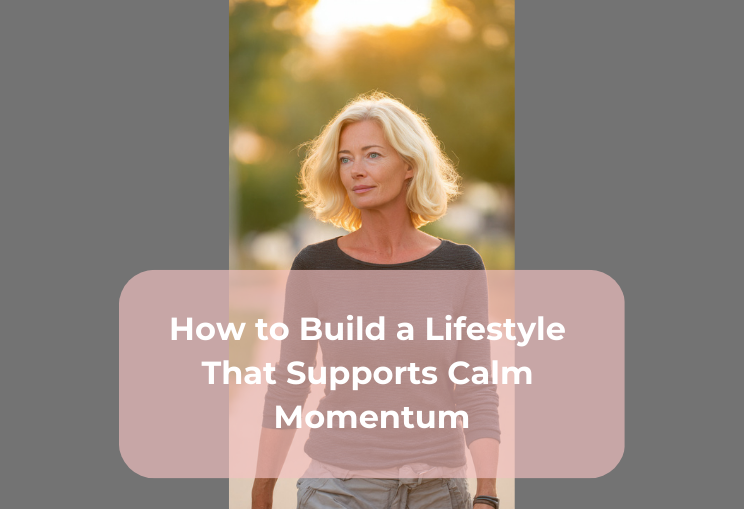
Building a lifestyle that supports calm momentum requires thoughtful design.
Key elements include:
• protecting energy
• maintaining simple routines
• reducing unnecessary commitments
• thinking long-term
Together these habits create steady progress.
Calm momentum allows life to move forward without overwhelming the person living it.
And in the long run, steady progress often travels farther than bursts of speed.