Many people imagine freedom as the absence of restrictions.
More time.
More flexibility.
More opportunity.
Yet one essential ingredient often goes unnoticed.
Energy.
Without energy, freedom becomes difficult to enjoy.
Travel becomes exhausting.
Work feels overwhelming.
Decisions become harder.
Protecting your energy allows freedom to remain sustainable.
Energy Is a Personal Resource
Energy is different from time.
Everyone receives the same number of hours in a day.
Energy, however, fluctuates based on lifestyle choices.
Sleep quality.
Nutrition.
Movement.
Emotional environment.
When these elements are supported, energy remains stable.
When they are neglected, energy declines.
Protecting energy allows daily life to feel more manageable and enjoyable.
Energy Awareness Improves Decision Making
When energy levels are respected, decision making improves.
Instead of reacting impulsively, individuals can evaluate choices thoughtfully.
Energy awareness encourages questions such as:
• Does this activity support my wellbeing?
• Will this commitment drain my energy unnecessarily?
• Does this align with my priorities?
These small considerations protect long-term stability.
Travel Reveals the Importance of Energy
Travel often highlights how valuable energy management can be.
Busy travel schedules sometimes create fatigue.
Long sightseeing days, irregular meals, and disrupted sleep can drain energy quickly.
Intentional travellers learn to pace themselves.
Morning walks.
Rest periods.
Balanced meals.
Protecting energy allows travel to remain enjoyable rather than exhausting.
Boundaries Support Energy Protection
Protecting energy often requires gentle boundaries.
These boundaries may include:
• limiting unnecessary commitments
• protecting quiet morning hours
• maintaining consistent sleep routines
• managing digital distractions
These small boundaries preserve mental clarity.
Energy becomes easier to maintain when life remains balanced.
Emotional Environments Influence Energy
Energy is not only physical.
Emotional environments also influence how people feel throughout the day.
Positive environments often support motivation and clarity.
Constant stress or conflict can quickly drain emotional energy.
Choosing environments that support calm living strengthens overall wellbeing.
Sustainable Freedom Requires Balance
Freedom lifestyles are often associated with flexibility.
However, flexibility without balance can create exhaustion.
Sustainable freedom requires thoughtful lifestyle design.
Balanced work schedules.
Regular recovery time.
Intentional daily routines.
These elements protect the energy required for independence.
Midlife Encourages Energy Awareness
After 50, energy awareness becomes increasingly valuable.
Earlier decades may encourage constant activity.
Midlife often brings a shift toward sustainability.
Instead of pushing endlessly, individuals learn to pace themselves.
Protecting energy becomes a form of self-respect.
This awareness supports long-term health and wellbeing.
Energy Supports Clarity and Perspective
When energy levels remain stable, life often feels calmer.
Clarity improves.
Perspective widens.
Creativity increases.
Energy protection allows individuals to engage more fully with experiences.
Travel, relationships, and personal growth all benefit.
Capacity To Enjoy Life Fully
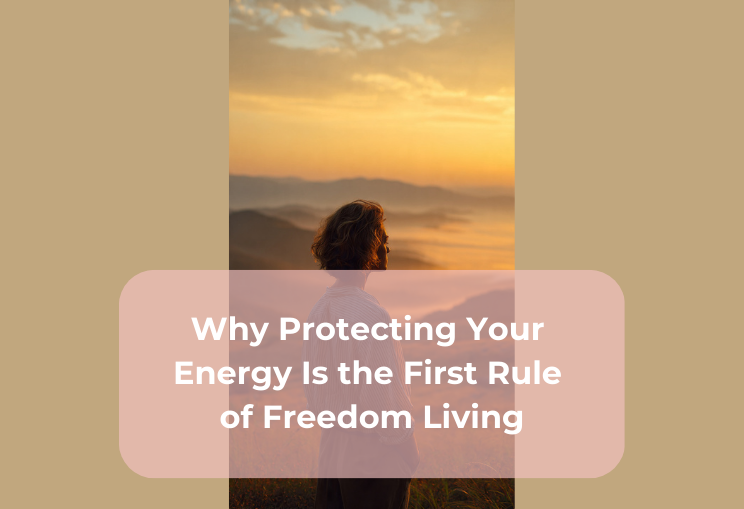
Why protecting your energy is the first rule of freedom living becomes clear when we consider the bigger picture.
Energy supports:
• emotional stability
• clear thinking
• sustainable travel
• productive work habits
• long-term independence
Protecting energy is not about limitation.
It is about preserving the capacity to enjoy life fully.
And in a freedom lifestyle, that capacity matters more than anything else.