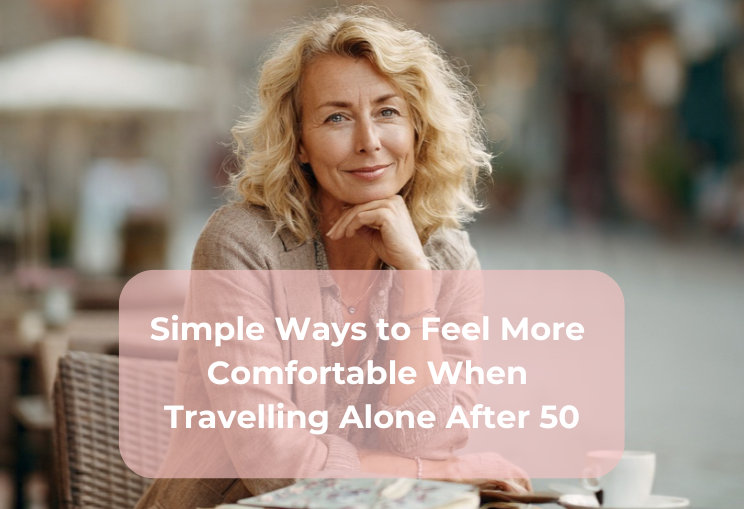
Travelling alone can feel freeing, peaceful, and deeply rewarding.
It gives you space to move at your own pace, choose what matters most to you, and enjoy quiet moments without needing to fit around anyone else’s schedule. At the same time, solo travel can sometimes feel a little uncertain, especially when arriving somewhere new or managing every decision yourself.
After 50, many travellers find that solo travel feels best when it is planned calmly, paced gently, and built around comfort rather than pressure.
The aim is not to be fearless. It is simply to feel prepared, steady, and confident enough to enjoy the experience.
Choose Accommodation That Feels Reassuring
Where you stay can strongly affect how comfortable solo travel feels.
Many solo travellers prefer accommodation that offers:
- A central or easy-to-reach location
- Good reviews
- Clear check-in details
- Safe surrounding streets
- Helpful staff
- Comfortable lighting and access
A reassuring base often makes the whole trip feel easier.
Keep Arrival Plans Simple
Arriving somewhere alone can feel smoother when the first steps are already clear.
Before travelling, it may help to know:
- How you will get from the station or airport
- Where the accommodation entrance is
- What time check-in begins
- Whether you need cash or card
- Where your key documents are kept
Simple arrival planning can reduce uncertainty at the exact moment when tiredness may be highest.
Share Basic Plans With Someone You Trust
Solo travel does not mean nobody knows where you are.
Some travellers feel more comfortable sharing basic details with a trusted person, such as:
- Accommodation name
- Travel dates
- Main journey times
- A rough itinerary
- Emergency contact details
This can offer peace of mind without making the trip feel restricted.
Keep Daily Plans Manageable
When travelling alone, it can be tempting to overfill the day to avoid feeling unsure.
However, many people enjoy solo travel more when they keep plans realistic. This may include:
- One main activity per day
- Time for café breaks
- Returning before feeling exhausted
- Avoiding unfamiliar areas late at night
- Leaving space for spontaneous choices
A calmer schedule often helps solo travel feel more enjoyable and less tiring.
Trust Your Comfort Level
One of the advantages of travelling alone is that you can listen to your own instincts.
If somewhere feels too crowded, too noisy, too far, or simply not right for you, it is perfectly acceptable to change plans.
Comfort matters. Confidence often grows when you respect your own pace rather than pushing through discomfort.
Create Small Familiar Routines
Familiar habits can make solo travel feel more settled.
These might include:
- Morning tea or coffee
- A short walk after breakfast
- Keeping essentials in the same bag pocket
- Returning to the room before dark
- Writing a few notes from the day
- Preparing tomorrow’s clothes in the evening
Small routines can make unfamiliar places feel friendlier.
Enjoy The Freedom Of Your Own Pace
Solo travel after 50 does not need to be dramatic or adventurous to be meaningful.
It might simply mean enjoying a peaceful break, visiting somewhere you have always wanted to see, or giving yourself permission to travel in a way that suits your own energy and comfort.
Sometimes the greatest pleasure is not having to rush, explain, or compromise.
Comfortable Solo Travel Comes From Calm Preparation
Travelling alone can feel much easier when you combine simple planning with gentle confidence.
Choose reassuring accommodation, keep arrival plans clear, pace your days carefully, and trust your own comfort level.
Solo travel after 50 can be calm, enjoyable, and quietly empowering when it is built around your own rhythm.
If you would like additional calm travel guidance, comfort tips, and practical planning support, you can explore the Travel Well After 50 Complete Guide Collection here:
Travel Well After 50 Complete Guide Collection