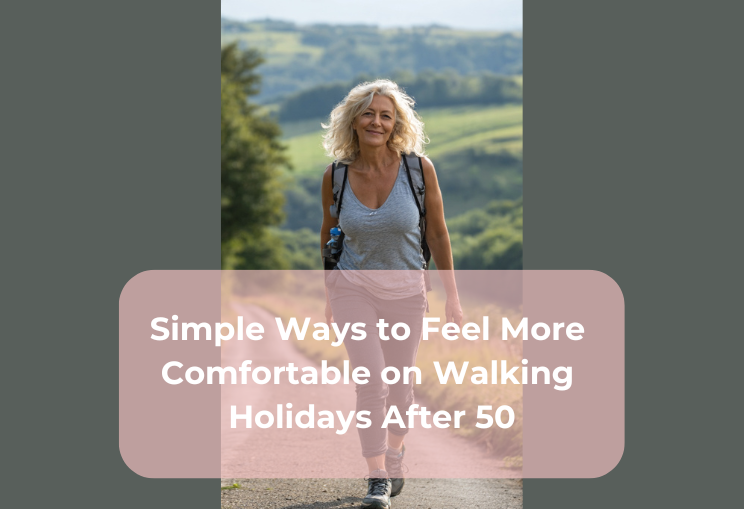
Walking holidays can be one of the most enjoyable ways to travel.
They allow you to slow down, notice more, enjoy scenery, explore gently, and feel connected to the places you visit. Whether it is a coastal path, countryside village, city walking route, or relaxed nature trail, walking can make travel feel more personal and memorable.
After 50, the key is often not walking further or faster.
It is walking in a way that protects comfort, energy, and enjoyment.
Choose Supportive Footwear
Comfortable shoes can make or break a walking holiday.
Many travellers prefer footwear that offers:
- Good grip
- Supportive soles
- Comfortable cushioning
- Secure fastening
- Enough room for toes
- Proper wear before the trip
New shoes should ideally be tested before travelling rather than worn for the first time on a long walk.
Pace The Day Realistically
Walking holidays often feel better when the schedule allows room for rest.
Instead of trying to cover too much ground, many travellers over 50 prefer:
- Shorter walking routes
- Slower starts
- Regular café stops
- Scenic pauses
- Rest time in the afternoon
- Flexible plans if weather changes
Gentle pacing can make walking feel enjoyable rather than exhausting.
Carry Less Than You Think
A heavy bag can quickly make walking less comfortable.
For day walks, many travellers keep things simple with:
- Water
- Light snacks
- Phone
- Small first-aid items
- Weather layer
- Travel documents if needed
- Sunglasses or hat
A lighter bag often helps protect shoulders, back, and energy.
Hydration Matters On Walking Days
It is easy to underestimate how much fluid is needed when walking, especially in warm weather.
Simple hydration habits may include:
- Drinking before starting
- Carrying water
- Taking small regular sips
- Refilling when possible
- Including hydrating foods
Steady hydration may help walking days feel calmer and more comfortable.
Plan Rest Breaks Before You Need Them
Waiting until you feel exhausted can make recovery harder.
Many experienced walkers build rest into the route early. This might mean stopping at a viewpoint, sitting in a café, pausing on a bench, or taking a short break in shade.
Rest breaks are not a sign of weakness. They are part of walking well.
Check Terrain Beforehand
Not all walking routes are equal.
Before setting out, it may help to check:
- Distance
- Hills
- Steps
- Uneven paths
- Toilet access
- Places to stop
- Transport options back
Knowing the route helps avoid surprises that may make the day more tiring than expected.
Listen To Your Body
Walking holidays should feel enjoyable, not punishing.
If knees, feet, back, or energy levels begin to complain, it is sensible to adjust. Taking a shorter route, stopping earlier, or changing plans can help protect the rest of the trip.
After 50, confidence often comes from knowing when to continue and when to pause.
Walking Holidays Are About Enjoyment
The best walking holidays are not always the longest or most ambitious.
They are often the ones where you move gently enough to notice the view, enjoy the food, talk to people, rest when needed, and return feeling better rather than worn out.
Comfortable walking after 50 is about rhythm, preparation, and respect for your own pace.
If you would like additional calm travel guidance, comfort tips, and practical planning support, you can explore the Travel Well After 50 Complete Guide Collection here:
Travel Well After 50 Complete Guide Collection